
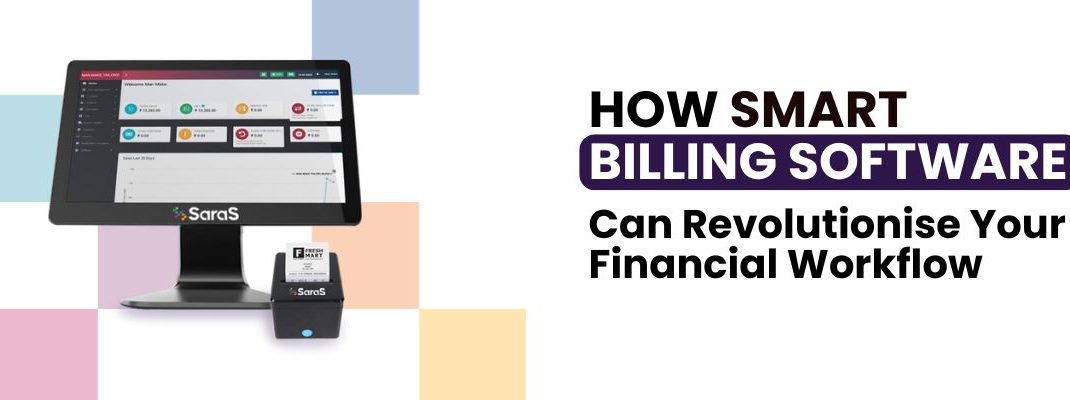
Introduction: The Rise of Smart Billing in Modern Finance
In today’s fast-paced digital economy, businesses face increasing pressure to enhance accuracy, efficiency, and transparency in their financial operations. Relying on manual billing is no longer sufficient to meet the demands of real-time data management and evolving customer expectations. Implementing the best billing software for financial management allows organizations to automate invoicing, track payments seamlessly, and streamline financial workflows, ensuring both speed and reliability in day-to-day operations.
That’s where smart billing software development steps in. With automation, cloud computing, and artificial intelligence reshaping finance, businesses are rapidly shifting from traditional invoicing systems to intelligent, connected, and adaptive solutions.
This transformation isn’t just about convenience; it’s about unlocking financial control, eliminating bottlenecks, and ensuring every transaction happens with precision and speed. The adoption of AI billing solutions and cloud billing systems marks a new era for business finance, one driven by efficiency and innovation.What Is Smart Billing Software and How It Works
At its core, smart billing software is a technology-driven platform that automates and manages all aspects of billing and invoicing. It leverages artificial intelligence, automation, and cloud computing to streamline financial workflows.
Unlike manual systems, smart billing tools are designed to think, learn, and adapt. They automate repetitive billing processes, track transactions in real time, and provide insightful analytics that help businesses make better decisions.
A cloud billing system ensures that all financial data is securely stored online, making it accessible anytime and from anywhere. Whether a small startup or an established enterprise, smart billing empowers teams to handle invoicing, payment collection, and reporting with minimal manual effort.
It’s not just about sending invoices; it’s about transforming the entire financial workflow into a seamless, data-driven experience.
Common Challenges in Traditional Billing Systems
Before embracing automation, it’s important to understand what makes traditional billing so difficult. Many businesses still rely on spreadsheets, manual data entry, and outdated software to handle complex transactions.
Some of the most common challenges include:
- Human errors – Mistyped figures or forgotten entries can lead to serious financial discrepancies.
- Delayed payments – Manual follow-ups often cause payment lags and disrupt cash flow.
- Compliance issues – Staying updated with tax regulations and legal requirements can be tough without automation.
- Data silos – When billing data is scattered across departments, it becomes difficult to get a unified financial view.
- Limited scalability – Manual systems can’t keep up as transaction volumes grow.
These issues not only waste time but also affect profitability and decision-making. Businesses that recognize these bottlenecks are now turning to billing automation to eliminate inefficiencies and regain control over their finances.
Automation: The Heart of Smart Billing Transformation
The real magic of smart billing software lies in automation. Automation eliminates repetitive, time-consuming tasks such as data entry, invoice creation, and payment reminders.
With billing automation, invoices are generated automatically based on predefined rules, reducing manual intervention and ensuring zero room for human error. Payments can be tracked in real time, and customers receive automated alerts for due dates, creating a smoother experience for both sides.
AI-driven automation also helps in detecting anomalies and inconsistencies instantly. For example, if a duplicate invoice is raised or a payment is missed, the system notifies the concerned team.
Automation doesn’t replace human involvement; it enhances it. Finance teams can now focus on strategic analysis, forecasting, and growth planning while the system takes care of operational precision.
Key Features That Define Smart Billing Software
When evaluating business billing software solutions, the best ones share a few must-have features that ensure efficiency and scalability:
- Automated invoicing and payments – Generates invoices automatically and tracks transactions in real time.
- Cloud storage – Ensures secure, centralized access to billing data from any device.
- Multi-currency support – Simplifies global transactions and international payments.
- Advanced analytics – Provides insights into revenue trends, overdue payments, and customer behavior.
- System integration – Seamlessly connects with accounting, CRM, and ERP platforms.
- Data security and compliance – Protects sensitive financial data using encryption and secure cloud hosting.
- Customizable dashboards – Allows teams to tailor their financial reports and visualizations.
These features make smart billing an indispensable tool for modern businesses seeking precision, speed, and transparency in every transaction.
How Smart Billing Streamlines Financial Workflows
Imagine managing your entire billing process from creating invoices to reconciling payments through one unified platform. That’s the power of smart billing software.
By integrating every step of the financial workflow, businesses can experience smoother operations, better accuracy, and real-time visibility.
Here’s how it transforms daily operations:
- Faster invoicing: Automated systems generate and send invoices within seconds.
- Improved collaboration: Teams across departments can access the same financial data simultaneously.
- Accurate reconciliation: Payments are automatically matched with invoices, reducing mismatches.
- Better reporting: Real-time dashboards provide instant financial insights.
- Simplified approvals: Managers can review and approve invoices digitally, saving time.
Ultimately, smart billing simplifies complex financial processes into a clean, automated workflow that supports both scalability and efficiency.
Business Benefits of Adopting Smart Billing Solutions
Adopting AI billing solutions is more than a tech upgrade; it’s a strategic business decision that can lead to tangible results.
Some of the key benefits include:
- Cost savings: Automation reduces labor costs and minimizes expensive billing errors.
- Increased efficiency: Teams spend less time on manual work and more on financial strategy.
- Faster billing cycles: Real-time processing ensures payments are made and received quicker.
- Improved accuracy: Automation reduces the risk of mistakes, ensuring consistent billing.
- Client satisfaction: Timely, transparent invoices enhance customer trust.
- Scalability: Cloud systems can handle increasing transaction volumes effortlessly.
- Enhanced data security: Cloud-based solutions come with advanced encryption and access control.
For growing businesses, these advantages translate into better financial control, improved decision-making, and long-term profitability.
Choosing the Right Smart Billing Software for Your Needs
Selecting the right billing platform depends on understanding your business goals and operational needs. Not all financial workflow software is created equal, so it’s important to evaluate wisely.
Here’s what to consider before investing:
- Identify your challenges: Are delayed payments or compliance issues your main concern?
- Check scalability: Will the software grow with your business?
- Assess integration capabilities: Can it connect with your existing accounting or CRM systems?
- Prioritize data security: Choose a vendor that offers strong encryption and GDPR compliance.
- Compare vendors: Request demos and customer testimonials before making a decision.
- Support and training: Ensure the provider offers adequate onboarding and customer support.
The best business billing software solutions are those that fit your company’s workflow, budget, and long-term goals while maintaining flexibility and data safety.
Emerging Trends Shaping the Future of Billing Software
The future of billing technology is exciting and innovation-driven. Emerging trends are taking smart billing software beyond simple automation into predictive and intelligent financial management.
Here are a few innovations transforming the space:
- AI-powered analytics: Systems that learn spending patterns and predict cash flow trends.
- Blockchain-based billing: Provides secure, tamper-proof transaction records for ultimate transparency.
- Subscription automation: Ideal for businesses with recurring billing models like SaaS or membership services.
- Predictive financial tools: These help forecast expenses, revenue, and payment behaviors before they occur.
- Mobile billing management: Allows real-time monitoring and invoicing through mobile devices.
These technologies are redefining how businesses interact with their finances. As they evolve, digital billing transformation will become a key factor in maintaining competitive advantage.
Conclusion: Transform Your Financial Operations with Smart Billing
In a world where time and accuracy define success, adopting smart billing software is no longer optional; it’s essential. Businesses that rely on automation and cloud systems gain control, clarity, and consistency across all financial processes.
From automated invoicing and payments to predictive analytics, the impact of smart billing extends beyond operations. It builds financial confidence, eliminates repetitive work, and gives organizations the freedom to focus on what truly matters, growth.
At SaraS Web Solutions, we understand that every business has unique financial workflows. Our goal is to help you transition smoothly from traditional systems to powerful AI billing solutions that deliver measurable results.
Empower your business with next-generation billing automation today and experience the ease of financial accuracy, speed, and control like never before.