

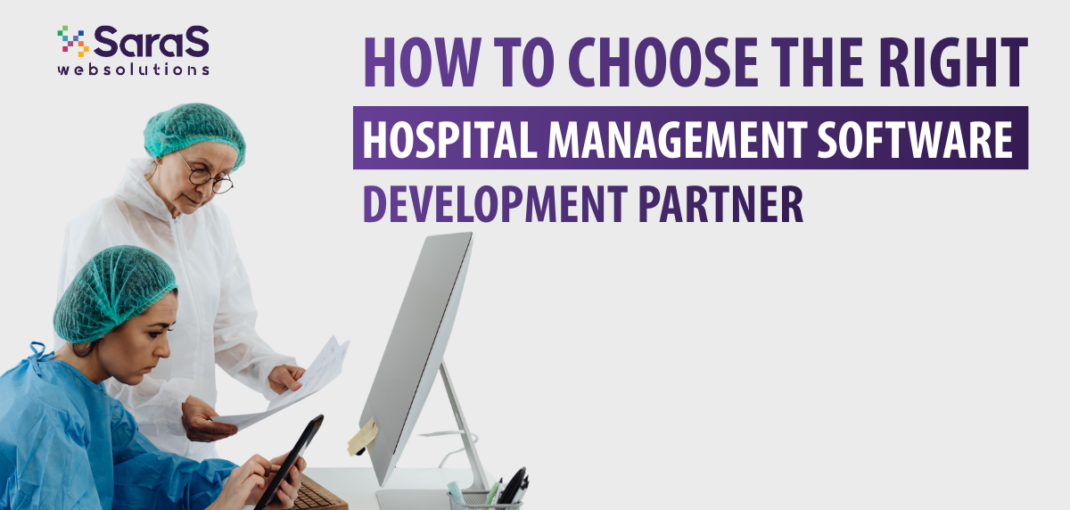
The Digital Transformation of Modern Healthcare
Healthcare today is rapidly moving away from paperwork and manual processes toward fully digital operations. Hospitals now rely on software to manage everything from patient registrations and appointments to billing, pharmacy, and medical records. This transformation has made Hospital Management Software (HMS) an essential part of delivering efficient and high-quality care. However, simply adopting technology is not enough. The real success lies in choosing the right development partner who can build a system that truly supports hospital workflows and patient needs.
Why Choosing the Right Partner Matters
Selecting a hospital management software development partner is more than just hiring a vendor. It is a strategic decision that directly impacts daily operations, staff productivity, and patient safety. Hospitals operate around the clock, and even minor software failures can disrupt services or cause delays in treatment. A reliable partner ensures stability, accuracy, and performance, while the wrong choice can lead to costly setbacks and operational chaos.
Understanding Your Hospital’s Unique Needs
Before approaching any development company, it is important to clearly define what your hospital actually needs. Each healthcare facility has its own structure, processes, and challenges. A small clinic may only require basic scheduling and billing, while larger hospitals need modules for laboratories, pharmacies, inventory, and electronic health records. Identifying your requirements helps you avoid overpaying for unnecessary features or ending up with incomplete solutions that fail to support your operations.
The Value of Healthcare Industry Experience
Not all software developers understand healthcare environments. Hospital systems are complex and require knowledge of clinical workflows, compliance standards, and patient data management. A development partner with healthcare experience can anticipate problems, recommend proven solutions, and design systems that match real hospital needs. Reviewing their case studies and past healthcare projects gives you confidence that they can handle your requirements effectively.
Customization Over One-Size-Fits-All Solutions
Every hospital works differently, which makes customization crucial. Off-the-shelf solutions may seem convenient, but they often force hospitals to adjust their processes to fit the software. This can create inefficiencies and frustration among staff. A capable development partner offers flexible and customizable software that adapts to your existing workflows. Tailored solutions ensure better performance and smoother adoption across departments.
Prioritizing Security and Data Protection
Hospitals handle highly sensitive patient information, making data security non-negotiable. A breach can result in legal issues, financial penalties, and loss of trust. Your development partner must implement strong security measures such as encryption, access controls, and regular updates. They should also comply with healthcare regulations and clearly explain how they safeguard patient data. Strong security builds confidence for both patients and administrators.
The Importance of System Integration
Hospitals rarely rely on a single system. They use multiple tools for labs, diagnostics, pharmacy, and insurance processes. Your hospital management software should seamlessly integrate with these systems to prevent manual data entry and errors. A development partner with strong integration capabilities ensures smooth communication between departments. This connectivity saves time, improves accuracy, and enhances overall efficiency.
Designing for Ease of Use
Even the most advanced system will fail if it’s difficult to use. Doctors, nurses, and staff work in high-pressure environments and need simple, intuitive tools. Complicated interfaces can slow down workflows and cause mistakes. A good development partner focuses on user-friendly design, ensuring that the software is easy to learn and operate. Practical usability encourages faster adoption and improves staff productivity.
Planning for Scalability and Future Growth
Healthcare organizations grow over time by expanding services, opening branches, or increasing patient capacity. Your software must be able to handle this growth without requiring a complete rebuild. A reliable development partner designs scalable systems that allow you to add users, features, and modules easily. Planning for the future protects your investment and keeps your operations running smoothly as you expand.
The Role of Clear Communication
Successful software development requires constant collaboration between your hospital team and the development partner. Clear communication helps avoid misunderstandings and ensures that expectations are met. Regular updates, milestone reviews, and transparent timelines create trust and accountability. A partner who communicates effectively will keep the project on track and resolve issues quickly.
Post-Launch Support and Maintenance
Launching the software is only the beginning. Hospital management systems require ongoing updates, improvements, and technical support. Bugs or downtime can disrupt critical operations, so immediate assistance is essential. Choosing a partner that offers long-term maintenance and support ensures your system remains reliable. Continuous care keeps the software efficient and aligned with evolving needs.
Evaluating Cost Versus Long-Term Value
Budget considerations are important, but choosing the cheapest option can lead to poor results. Low-cost solutions often compromise on quality, security, or support. Instead of focusing only on price, evaluate the overall value the system will bring. A well-designed platform that improves efficiency and reduces errors can save significant costs in the long run. Investing wisely delivers better returns.
Following a Structured Development Process
Professional development partners follow clear methodologies that include requirement analysis, design, testing, and quality assurance. This structured approach reduces risks and ensures that the final product meets expectations. A defined process also allows for better planning and fewer surprises during development. Organized execution leads to more reliable and successful outcomes.
Building a Long-Term Partnership
The best development partners don’t just complete projects—they build lasting relationships. They take the time to understand your goals and offer suggestions that improve performance. Their commitment goes beyond delivering software to supporting your hospital’s success over time. A collaborative partnership ensures continuous improvement and innovation.
Creating a Strong Foundation for Better Healthcare
Ultimately, choosing the right hospital management software development partner lays the foundation for operational excellence and improved patient care. The right system streamlines workflows, reduces administrative burdens, and enhances the overall healthcare experience. By selecting a trusted partner who understands your needs, you position your hospital for long-term success in an increasingly digital world.